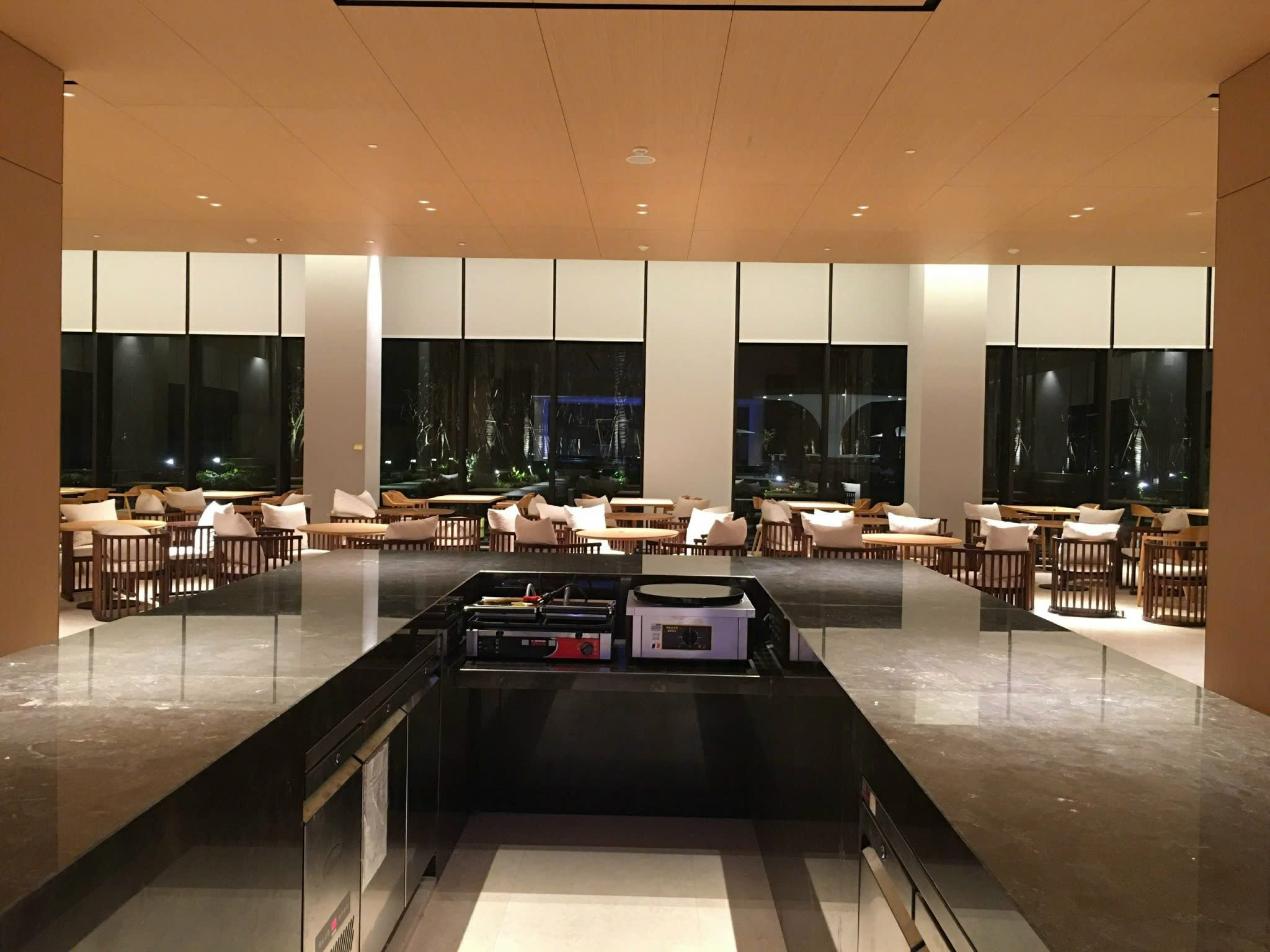


2026 is expected to be a year of significant changes in the industrial kitchen equipment industry, particularly in the restaurant, hotel, and hospital segments. This change stems not only from economic factors but also from technological advancements, consumer behavior, and increasingly demanding operational requirements.
Industrial kitchen equipment, being high-capacity machinery operating continuously and requiring high durability, is typically constructed from 304 stainless steel to ensure durability, corrosion resistance, and compliance with stringent hygiene standards. Therefore, any fluctuations in the industry directly impact the investment costs of F&B businesses.
Increased input costs – the biggest challenge in 2026
Sharp increase in raw material prices
304 stainless steel – the main material in the production of industrial kitchen equipment – continues to rise in price due to the impact of the global supply chain. This leads to a 10-25% increase in product costs compared to the previous period.
In addition, the cost of electronic components (in smart devices) has also increased due to supply shortages.
Consequences:
Increased equipment prices
Longer production times
Businesses must carefully consider before investing
[Insert image: Chart of stainless steel and industrial kitchen equipment prices 2024–2026]
Increased operating costs
Not only investment costs, but operating costs have also increased sharply:
Electricity prices
Gas prices
Labor costs
This forces restaurants to switch to energy-efficient equipment.
Trends towards energy-saving appliances
Industrial induction cooktops replace gas stoves
Industrial induction cooktops are gradually replacing traditional gas stoves due to:
Higher efficiency
Safer
Less heat emission
Multifunctional appliances are on the rise
Appliances such as:
Multifunctional ovens
Combined steamers
are preferred because they reduce the number of machines in the kitchen.
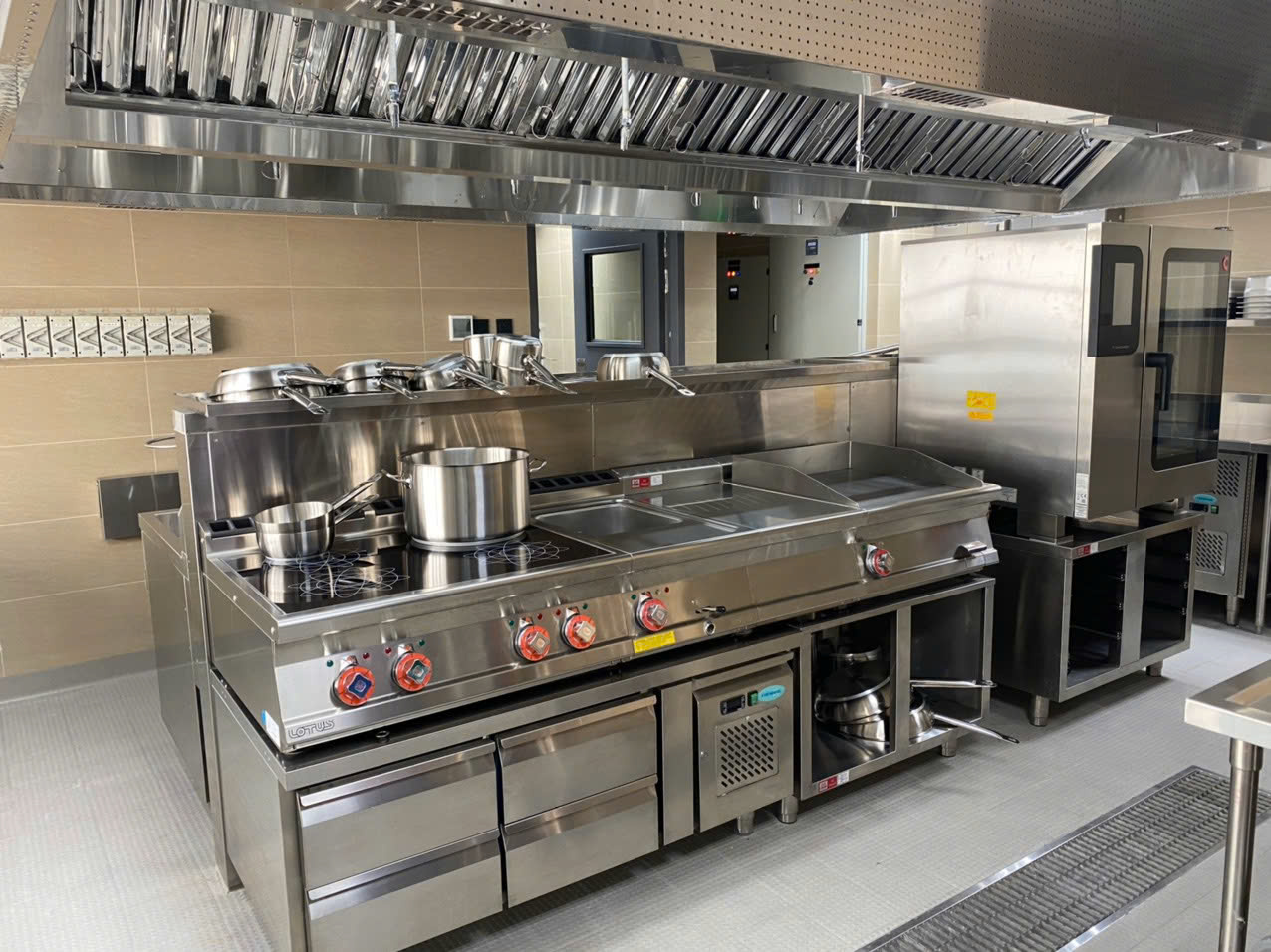
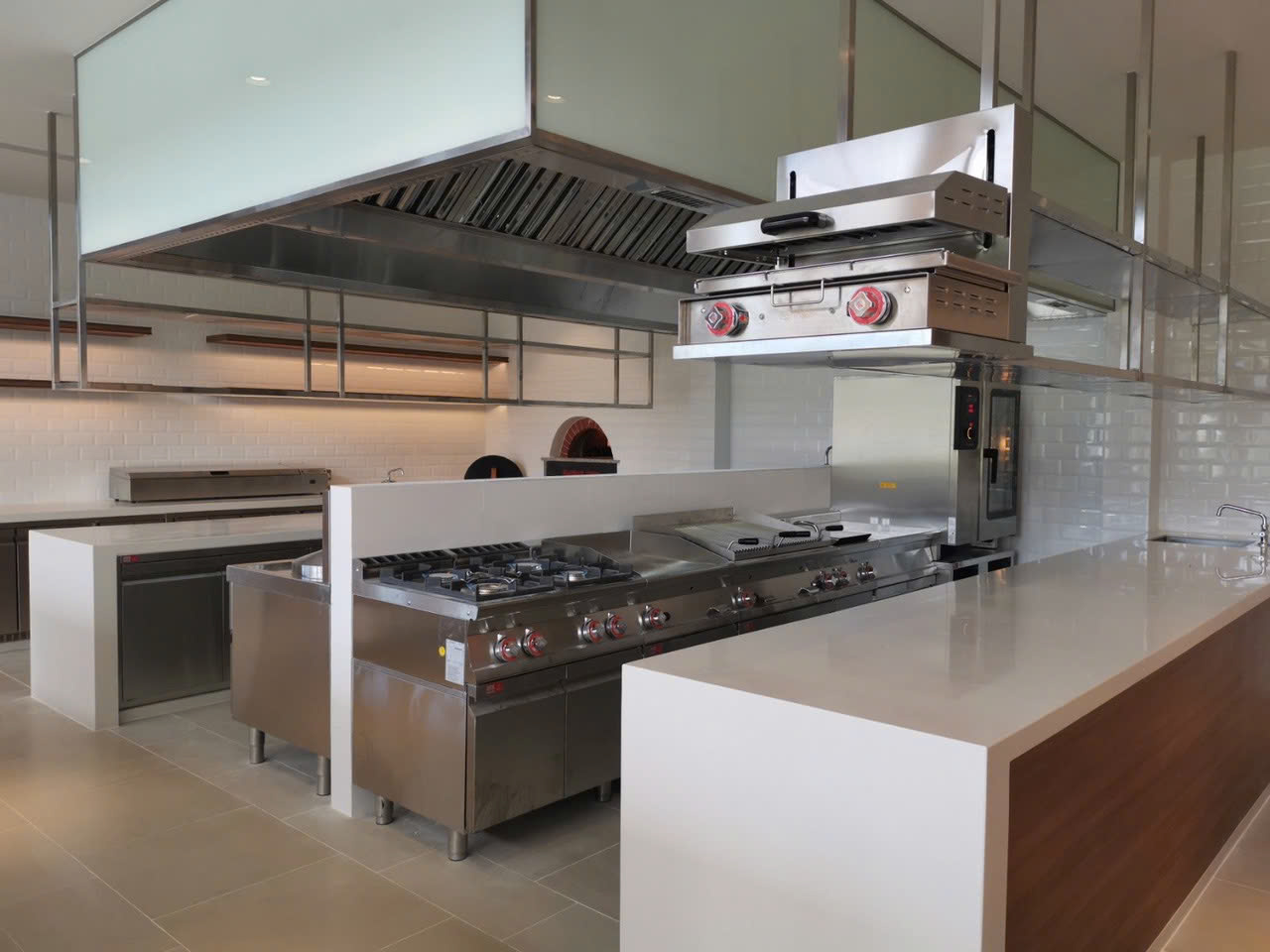
[Image: Combi oven in a modern restaurant kitchen]
Increasingly fierce competition among suppliers
The market currently has dozens of suppliers of industrial kitchen equipment in Vietnam, creating a very high level of competition.
Distinct Market Differentiation
High-end group: imported equipment
Mid-range group: domestically produced
Low-cost group: price competition
Increased Service Demand
Customers not only buy equipment but also need:
Kitchen design consultation
Complete installation
Long-term maintenance
Strong demand from hospitals and industrial kitchens
Hospitals – a potential market
Hospitals require:
High hygiene standards
Continuously operating equipment
One-way kitchen workflow
Industrial kitchen development
The expansion of industrial zones leads to a large demand for:
Rice cookers
Dishwashers
Preparation equipment
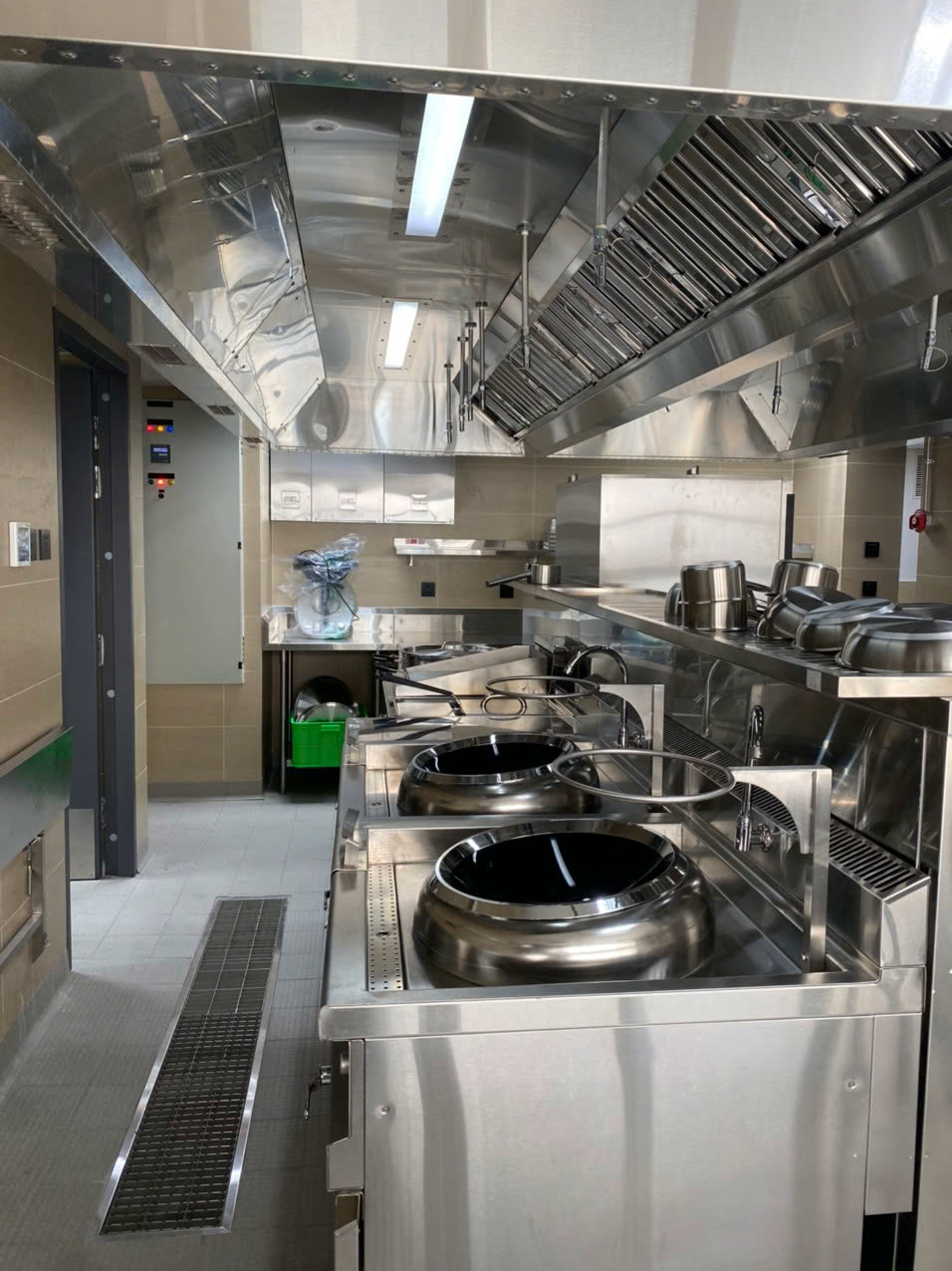
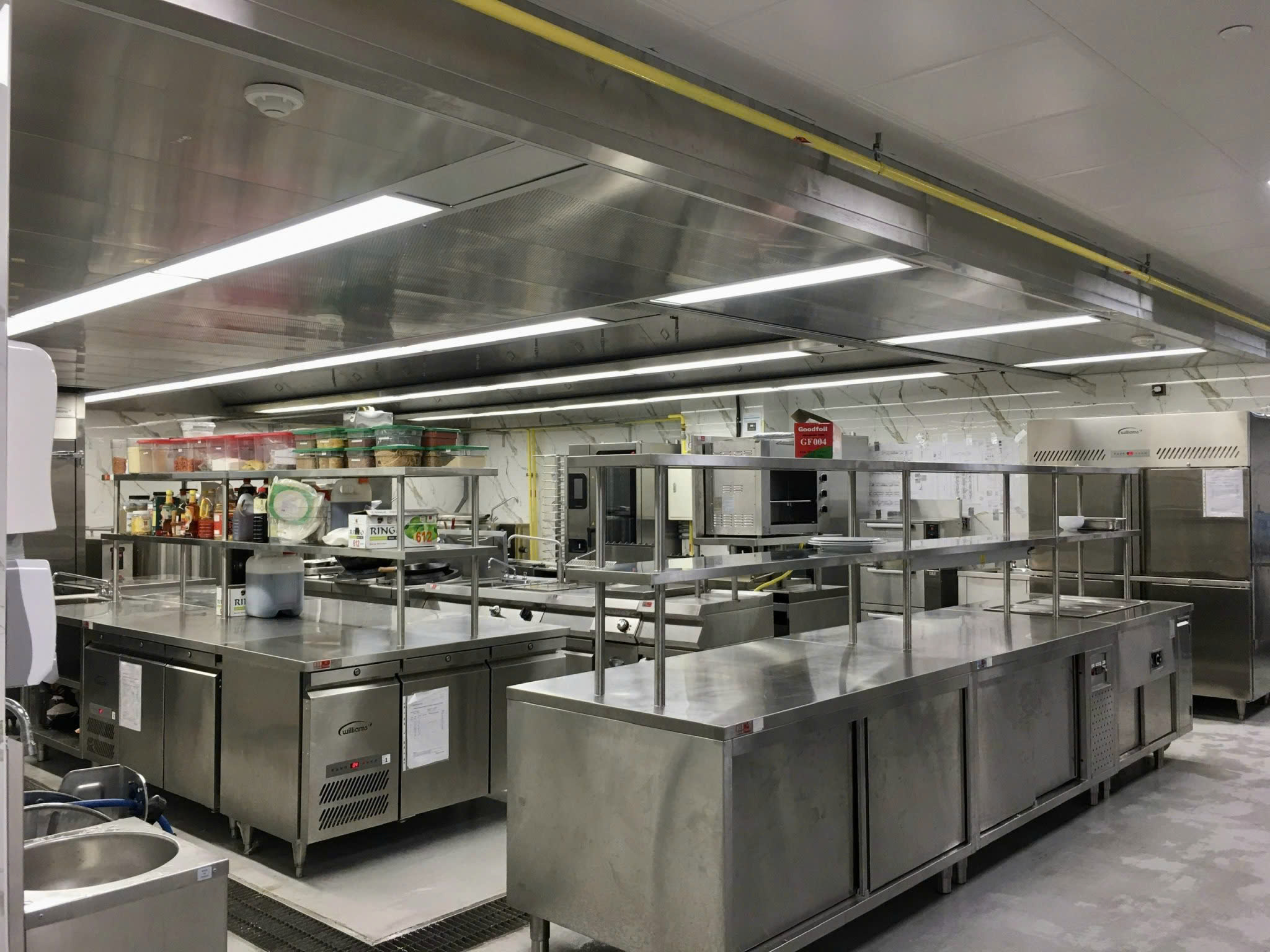
[Insert image: Large-scale industrial kitchen system]
Conclusion
The industrial kitchen equipment market in 2026 is entering a period of strong transformation with cost pressures and a technological boom. Businesses that correctly identify trends will have a long-term competitive advantage.